
ফেইবল বা উপকথা হলো এমন এক ধরনের কাল্পনিক গল্প যা সাধারণত নীতিশিক্ষা দেওয়ার উদ্দেশ্যে বলা হয় এবং এতে প্রায়শই পশুপাখিকে মানুষের মতো কথা বলতে বা আচরণ করতে দেখা যায়।
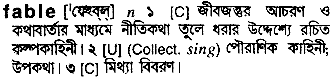
fable meaning in Bengali
noun
(1)উপকথা; নীতিগল্প; পশুপাখির কাল্পনিক গল্পa short story, typically with animals as characters, conveying a moral
(2)মিথ্যা কথা; বানোয়াট কাহিনী; অলীক গল্পa false statement or a fabricated story; a lie
(3)পৌরাণিক কাহিনী; কিংবদন্তিa supernatural or legendary story
verb
(1)উপকথা বা গল্প বলাto tell or compose fables
(2)মিথ্যা বলা; বানোয়াট কাহিনী তৈরি করাto invent or fabricate a story; to lie
Common PHRASES and Terms
fable of
— এর কাল্পনিক কাহিনী
(a legendary or fictional account regarding something)
fabled land
— পৌরাণিক বা কাল্পনিক দেশ
(a place known only in stories or myths)
turn into a fable
— উপকথায় পরিণত হওয়া
(to become a subject of myth or legend)
Aesop is famous for his collection of moral fables.
ঈশপ তার নীতিগল্পের সংগ্রহের জন্য বিখ্যাত।
The story of the tortoise and the hare is a classic fable.
কচ্ছপ ও খরগোশের গল্পটি একটি ধ্রুপদী উপকথা।
He fabled a story to cover up his mistake.
সে তার ভুল ঢাকার জন্য একটি বানোয়াট গল্প ফেঁদেছিল।
COLLOCATIONS
moral fable, ancient fable, weave a fable, classic fable
WORD FORMSPast: fabled | Past participle: fabled | Gerund: fabling | Plural: fablesUSAGE NOTES
While 'fable' often refers to moral stories (like Aesop's), it can also be used pejoratively to describe something that is untrue or a complete fabrication.