
কোনো খাদ্যদ্রব্য দীর্ঘ সময় ধরে পড়ে থাকার ফলে তার সতেজতা বা স্বাদ হারিয়ে ফেলা, অথবা কোনো বিষয় বা ধারণা অতিরিক্ত ব্যবহারের ফলে তার নতুনত্ব বা আকর্ষণ হারিয়ে ফেলাকে 'stale' বলা হয়।
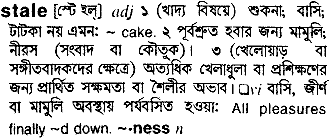
stale meaning in Bengali
adjective
(1)বাসী; বাসি হয়ে যাওয়া; টাটকা নয় এমনno longer fresh and pleasant to eat; hard, musty, or dry
(2)পুরানো; একঘেয়ে; নতুনত্বহীনno longer new or interesting; hackneyed or boring due to repetition
(3)নিস্তেজ; কর্মক্ষমতাহীন; ক্লান্তlacking energy or freshness; physically or mentally exhausted
verb
(1)বাসি হওয়া; সতেজতা হারানোto become stale or lose freshness
(2)নিস্তেজ করা; সতেজতা নষ্ট করাto make something dull or uninteresting
Common PHRASES and Terms
go stale
— বাসি হয়ে যাওয়া
(to lose freshness over time)
stale news
— পুরানো খবর
(information that is no longer current or relevant)
grow stale
— একঘেয়ে হয়ে ওঠা
(to become boring or unoriginal through repetition)
The bread went stale after sitting on the counter for three days.
তিন দিন কাউন্টারে পড়ে থাকার পর রুটিটি বাসি হয়ে গিয়েছিল।
He told a stale joke that no one laughed at.
সে এমন একটি পুরানো কৌতুক বলেছিল যা শুনে কেউ হাসেনি।
The air in the room felt stale and stuffy.
ঘরের বাতাসটি ভ্যাপসা এবং নিস্তেজ মনে হচ্ছিল।
COLLOCATIONS
stale bread, stale air, stale joke, stale news
WORD FORMSComparative: staler | Superlative: stalest | Past: staled | Past participle: staled | Gerund: stalingUSAGE NOTES
Used primarily to describe food that has lost its freshness, but also metaphorically for ideas, jokes, or air that has become stagnant or boring.