
অভিব্যক্তিবাদ হলো বিংশ শতাব্দীর গোড়ার দিকে উদ্ভূত শিল্পকলা ও সাহিত্যের একটি আধুনিক আন্দোলন, যেখানে শিল্পী বাইরের জগতের বাস্তব চিত্র তুলে ধরার পরিবর্তে নিজের অভ্যন্তরীণ আবেগ, অনুভূতি এবং মনস্তাত্ত্বিক অবস্থাকে ফুটিয়ে তোলার চেষ্টা করেন।
expressionism meaning in Bengali
noun
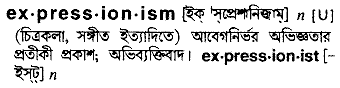
(1)অভিব্যক্তিবাদ; শিল্পকলা ও সাহিত্যের একটি ধারা যেখানে বাস্তবতার চেয়ে শিল্পীর আবেগ ও অনুভূতিকে বেশি গুরুত্ব দেওয়া হয়a style of painting, music, or drama in which the artist or writer seeks to express emotional experience rather than physical reality
(2)আবেগ প্রকাশের শৈলী; কোনো কিছু প্রকাশের বিশেষ ভঙ্গিa manner of artistic expression that emphasizes the subjective perspective of the creator
Common PHRASES and Terms
Abstract Expressionism
— বিমূর্ত অভিব্যক্তিবাদ
(A post-World War II art movement in American painting, developed in New York in the 1940s.)
Expressionist film
— অভিব্যক্তিবাদী চলচ্চিত্র
(A style of filmmaking characterized by stylized sets and dramatic lighting to reflect internal states.)
Neo-expressionism
— নব্য-অভিব্যক্তিবাদ
(A style of late-modern or postmodern painting that emerged in the late 1970s.)
Expressionism emerged in Germany as a reaction against the materialism of the age.
সেই যুগের বস্তুবাদী মানসিকতার প্রতিক্রিয়া হিসেবে জার্মানিতে অভিব্যক্তিবাদ উদ্ভূত হয়েছিল।
The painting is a classic example of German Expressionism, characterized by distorted shapes and vivid colors.
চিত্রকর্মটি জার্মান অভিব্যক্তিবাদ-এর একটি ধ্রুপদী উদাহরণ, যা বিকৃত আকৃতি এবং উজ্জ্বল রঙের জন্য পরিচিত।
His poetry reflects the core tenets of expressionism through its intense focus on inner turmoil.
তার কবিতা অভ্যন্তরীণ অস্থিরতার উপর গভীর মনোযোগের মাধ্যমে অভিব্যক্তিবাদ-এর মূল নীতিগুলোকে প্রতিফলিত করে।
COLLOCATIONS
German expressionism, expressionist movement, abstract expressionism, expressionist painting
WORD FORMSAdjective: expressionistic | Adverb: expressionistically | Person: expressionistUSAGE NOTES
Expressionism is primarily used in the context of art history, literature, and film studies to describe a specific movement that prioritized subjective emotion over objective representation.